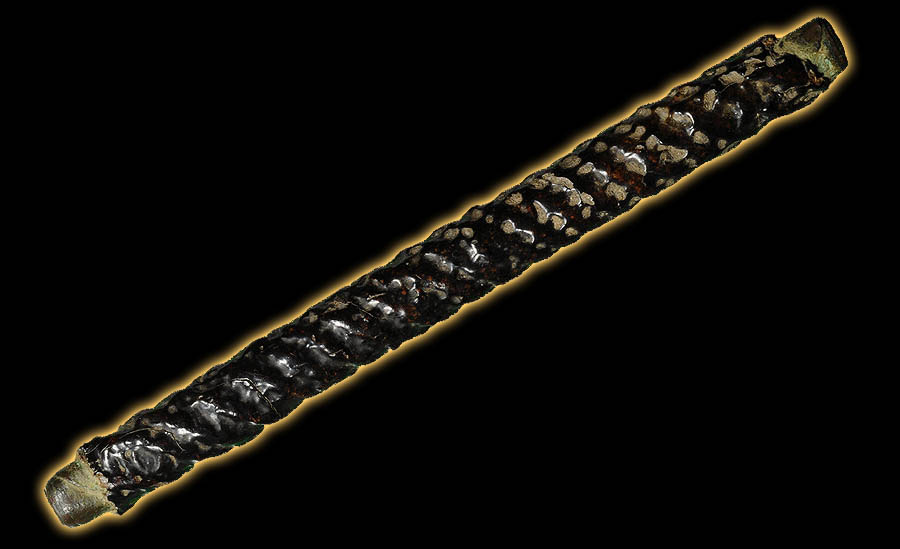
A Takrut is a cylindrical amulet from Thailand and surrounding regions. It consists of a metal plate (lead, copper, brass) or other material inscribed with sacred symbols and rolled into a cylindrical shape. It is worn around the neck or tied to the body and is believed to offer protection from danger, enhance charm and popularity, and provide invincibility.
Key information about Takrut: Origin: An amulet with a history spanning centuries, popular among warriors in the past. Purpose: To be carried for safety (invincibility/protection from harm), authority (power), and charm/popularity.
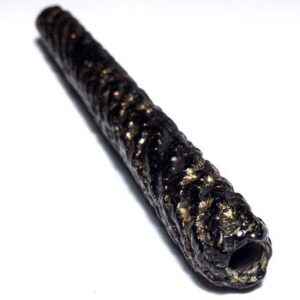
Creation: Religious monks or masters of magic inscribe sacred symbols and incantations during the creation process. Sometimes, it may be soaked in fragrant oil or coated with gold leaf.
Materials: Metal plate, gold plate, silver plate, lead plate, leaves, wood bark, or even animal hide. Forms: Single Takrut, double Takrut, triple Takrut, or sets of Takrut. Takrut is considered a form of sacred tattooing, similar to Sak Yant (tattooing), and is popular among police officers, soldiers, and those in risky professions.
In Thai occultism (Saiyasart) and sacred amulets (Krueang Rang Kong Klang), no object reflects the belief in the “Power of Sacred Script” more clearly than the Takrut. This cylindrical amulet appears simple yet harbors a complex production process and the spirit of its creator. This article will guide you through every aspect, from its ancient roots and the rare materials used in its production, to the various types that have been passed down for hundreds of years.1. Origin and History: From Body Armor to Spiritual Anchor
The Warrior’s Origin
In the past, during the Ayutthaya and early Rattanakosin periods, Thailand was constantly in a state of war with its neighbors. Ancient Thai soldiers and warriors typically did not wear heavy metal armor like European knights; their “armor” therefore took the form of magical knowledge (Wicha Arkhom).
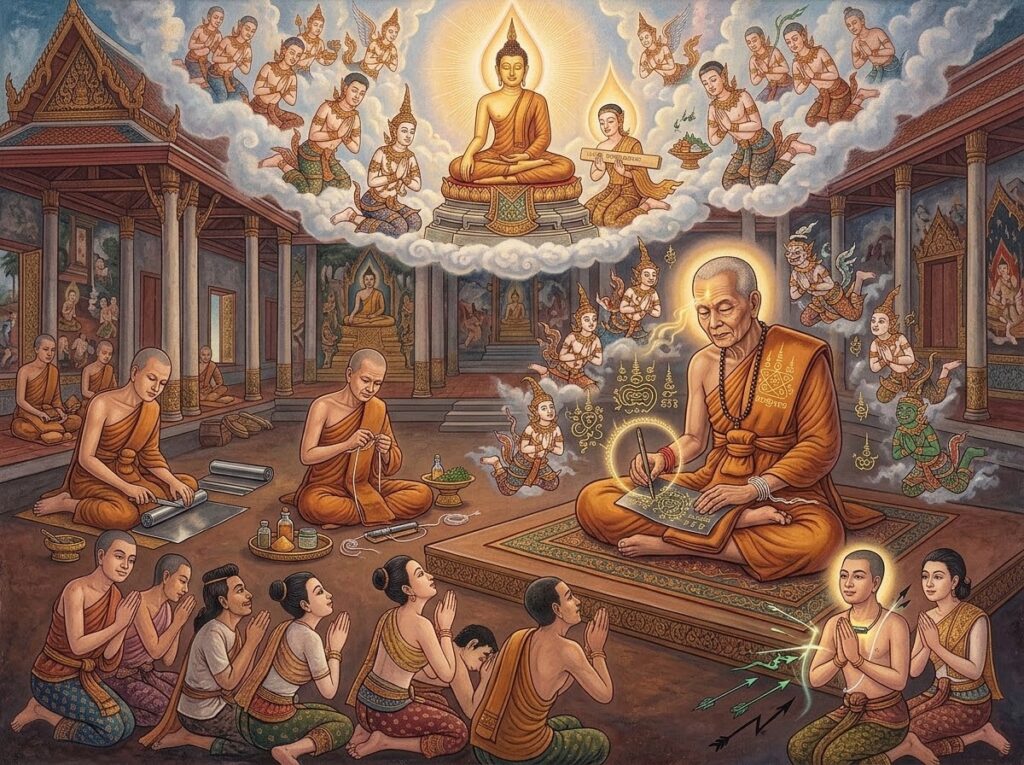
Early Takrut were created for a single purpose: “Kongkrapan Chatri” (Invulnerability) and “Khlaew Khlat” (Evasion). Revered guru monks (Pra Keji Ajarn) would inscribe sacred geometry (Yantra) onto metal sheets and roll them into tubes to be worn into battle.
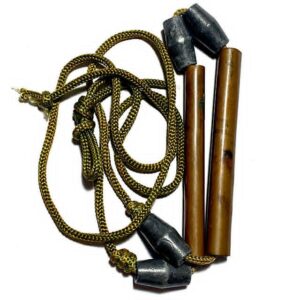
Takrut from that era were often large (“Takrut Tone”) and worn around the waist or slung diagonally across the shoulder for ease during sword fighting and hand-to-hand combat.The Transition to the Present Era
When wars ceased, the role of the Takrut did not vanish but instead adapted to the daily lives of the villagers. Shifting away from combat focus, its purpose evolved to include “Metta Mahaniyom” (Charm), “Chok Lap” (Fortune), and “Protection from Dark Magic” (Khoon Sai). This led to smaller Takrut and a greater diversity in materials.
Sacred Script and Spiritual Power
Creating a Takrut involves more than just rolling a piece of metal; it requires three indispensable core elements:
Inscription (Jarn Akkhara): This typically uses the Khom Script, which is considered a sacred language for recording Buddhist teachings (Pra Dhamma) and ancient spells (Pra Waet). The writing must be done while the mind is in a state of concentration (Samadhi) and requires holding one’s breath at specific times while drawing the Yantra lines.
Invoking the Soul (Riak Suut Naam): While inscribing, the masters (Kru Ba Ajarn) must “Riak Suut” or chant incantations over every single letter to consecrate the script, giving it life and power.
The Material Matrix (Wassadu): Each material possesses different “elements” (Taat) and “natural energies” which directly influence the sacred power (Puttakun) of the Takrut.
Extraordinary Materials: From Elemental Metals to Remains of the Deceased
Besides standard metals (gold, silver, alloys, lead), there are rare materials with specific beliefs that you may not be aware of:
Ivory Takrut
Elephant ivory is considered a naturally potent, indestructible item (Khong Thon Sit) and is believed to symbolize power and authority (Amnat).
Sacred Power (Phutthakhun): Prominent in great power (Maha Amnat), commanding respect, and receiving kindness/favor from superiors (Metta in the senior line).
Method: Artisans carve the ivory into thin tubes and then inscribe the script onto the surface, or insert a metal sheet inside.
Bone Takrut
Key bones from powerful or highly disciplined animals are often used, such as tiger bones, elephant bones, or even the “forehead bone” (Pan Neng) in the case of certain dark magic traditions (Wicha Sai Lang).1
Sacred Power (Phutthakhun): Focuses on neutralizing curses/occult dangers (Sakot Aathan), protection from ghosts and demons, and strengthening one’s destiny.1
Stingray Tail Takrut1
The tail of a stingray (especially rare freshwater stingrays) features sharp, natural barbs. In occult traditions, it is believed to be a weapon capable of “whipping” or warding off evil spirits.1
Sacred Power (Phutthakhun): Protection from black magic (Khoon Sai), water sprites (Prai Nam), and unseen inauspicious entities. It is often carried when traveling by water.
Wood & Vine Takrut
Mighty Bamboo (Mai Phai Yod Duan): Believed to be naturally potent (Tai Phrai—dying naturally while still standing), possessing a mystical ability to block firearms (Ud Peun) and misfortune (Ud Kwam Suay).1
Enchanting Vine (Thao Wan Long): Focuses on captivating hearts and causing infatuation (Seduction).
Animal Hide Takrut
Tiger Hide: Great power (Maha Amnat) and spiritual authority (Tapabaramee).1
Python Hide: Focuses on attracting wealth (since the python does not hunt but waits for prey to come to it).1
4. Essential Types of Takrut (Classification)1
There are thousands of Takrut types in Thailand, but they can be categorized into these major groups:
The Great 16 Auspiciousness (Maha Solot Mongkhon) Takrut
Considered the “King of Takrut,” it is the most complex to create. Its creation must reference the 16 heavens (Sawan) and the 16 Brahma realms (Phrom).
Famous Creator: Luang Pu Iam of Wat Saphan Sung.1
Sacred Power (Phutthakhun): Universal Protection, shielding against all forms of danger and providing supreme enhancement to one’s destiny.
The Salika/Golden Tongue (Salika) Takrut
This is a miniature Takrut, often made in pairs (male and female) or crafted from gold/silver.1
Usage: Typically placed in a lip balm case or encased and worn around the neck.1
Sacred Power (Phutthakhun): Focuses on negotiation, trade, making people believe and be affectionate toward the wearer.
Pitsamorn Takrut
A short Takrut, often wrapped with sacred white thread (Sai Sin) and covered in lacquer and gold leaf.1
Origin: The word “Pitsamorn” is speculated to derive from the word “Phism,” meaning lotus flower, or it may refer to being worn for auspiciousness during important ceremonies.1
Bullet Shell Takrut1
A modern practice that involves using fired bullet casings (which must not be fragmented, or have certain mystic properties) to create the Takrut.
Sacred Power (Phutthakhun): Based on the principle of “using a thorn to remove a thorn,” it specifically protects against harm from firearms.
Legends of the Masters: Consecrators of Earth-Shaking Takrut
Luang Pu Suk of Wat Pak Khlong Makham Tho: He is renowned for creating Takrut that could “explode water”. Legend says he would inscribe Takrut underwater without his robes getting wet or his candle being extinguished.
Luang Phor Guay of Wat Khositaram: Known by the title “The Sorcerer of Sanburi”. The lead he used was often thin-rolled “Nam Nom lead” and densely packed with incantations to protect his disciples.
Luang Pu Tim of Wat Lahan Rai: Although famous for his Phra Khun Phaen amulets, his “Tone” and “Prap Hongsa” Takrut are also highly sought after for the pervasive charm (Metta) infused with decisiveness.
Rules and Taboos: Power Comes with Responsibility
Carrying a Takrut is not merely a fashion statement; there are practices (Taboos) that must be followed to prevent the amulet’s power from diminishing:
Do not insult one’s parents (Buppakaree): This is a principal prohibition in almost all Thai occult traditions.
Do not commit moral misconduct: Especially precept 3 (Kamayes), as adultery with another person’s spouse will turn the power of “Maha Niyom” (great charm) into “Maha Thot” (great retribution).
The Invocation (Karn Aratana): One must chant a specific incantation (Katha) to “awaken” the energy within the Takrut.
The Takrut in the 21st Century World
Today, the Takrut has evolved into a form of “Amulet Jewelry”. The casings are often beautifully designed with gemstones or auspicious stones to fit the modern lifestyle. Nevertheless, the “core essence” of the Takrut remains unchanged: to serve as a spiritual anchor, ensuring the wearer remains mindful, maintains courage, and holds faith in doing good.
Therefore, the study of the Takrut is not merely the study of blind occultism (Saiyasart), but a study in “Spiritual Anthropology”. It reflects the universal human need for a “protective shield” that transcends mere physical objects—a shield built upon concentration, wisdom, and faith.
Note: This information is compiled from historical Thai sources and various temple texts to provide in-depth knowledge and preserve this cultural heritage of Thailand
Leave a Reply
You must be logged in to post a comment.